We are putting together an exhibition of narrative self-portraits for a new Seattle gallery and I started thinking about this monumental, continuous narrative self-portrait by Raqib Shaw. I was glad to have seen it on a recent visit to the Art Institute of Chicago.
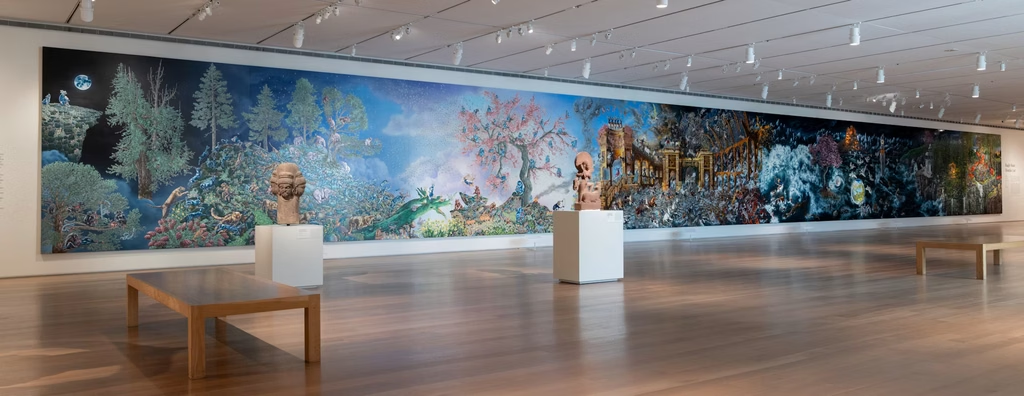
With 21 panels measuring more than 100,’ it is truly a marvel to behold. Shaw has painstakingly painted tiny details throughout. His unique technique involves car paint contained within golden lines, like using lead between stain glass panels. The result is an exquisite jewel box effect.
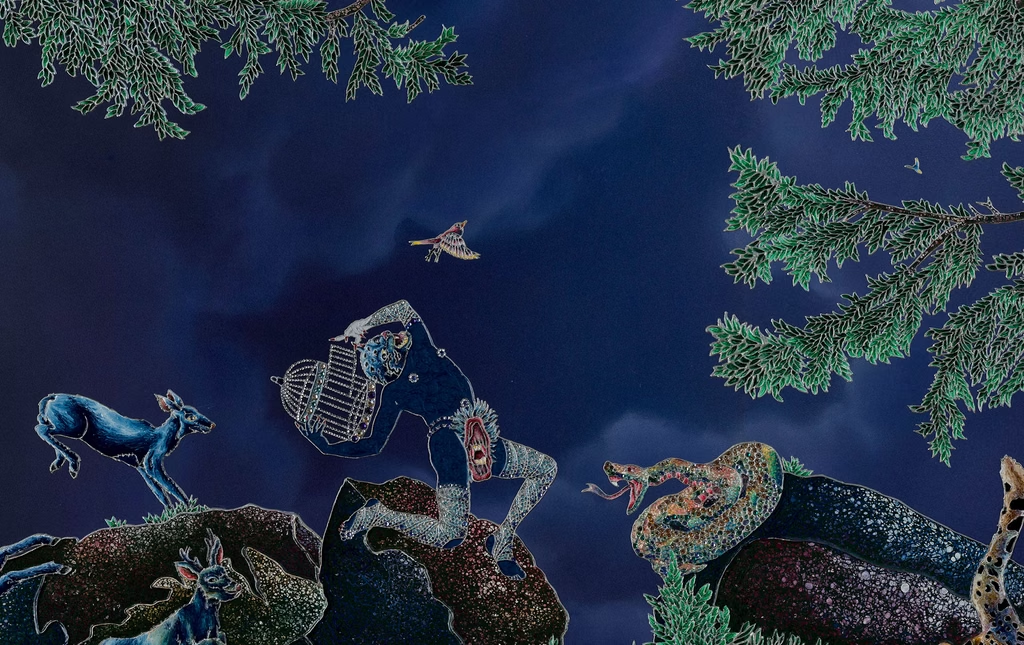
Paradise Lost takes its name after John Milton’s 1667 epic poem about the fall of man and expulsion from the Garden of Eden. As a teenager, Shaw was forced from his homeland of Kashmir in the Himalayan mountains during the last territory dispute in 1999. The loss of his childhood home and sense of belonging has left a lasting impact on Shaw, as it does for many displaced people.
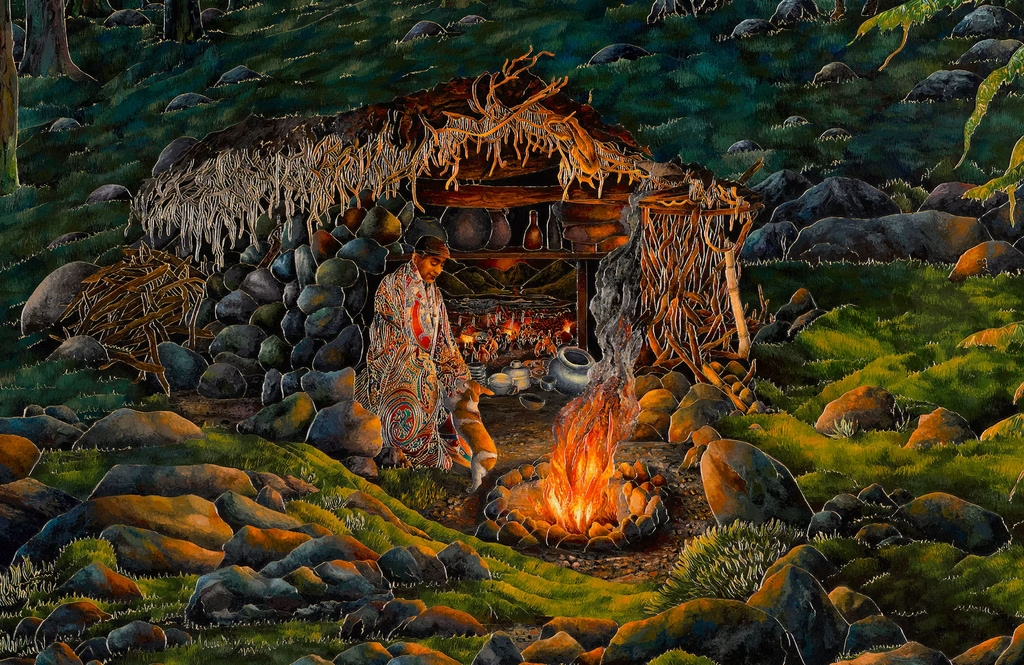
When asked about the meaning of the work, Shaw explained:
The painting documents my life until the year 2015, tracing a path from childhood through exile and rebellion, artistic awakening, emotional turmoil, and transformation that still continues. But it is not solely about me. It is a story of the many paradises we inevitably lose as we move through life: the paradise of childhood, of innocence, of excitement and anticipation, of novelty. We lose the ease of belonging and the calm of that mental stillness that comes from lack of anxiety. And while these losses are deeply personal, they are surely universally felt. We all carry such losses as we move through life and construct inner worlds in response.
To see more of Shaw’s work, visit: https://raqibshawstudio.com/